Cagsawa Ruins: A Monument to Faith, Resilience, and Memory
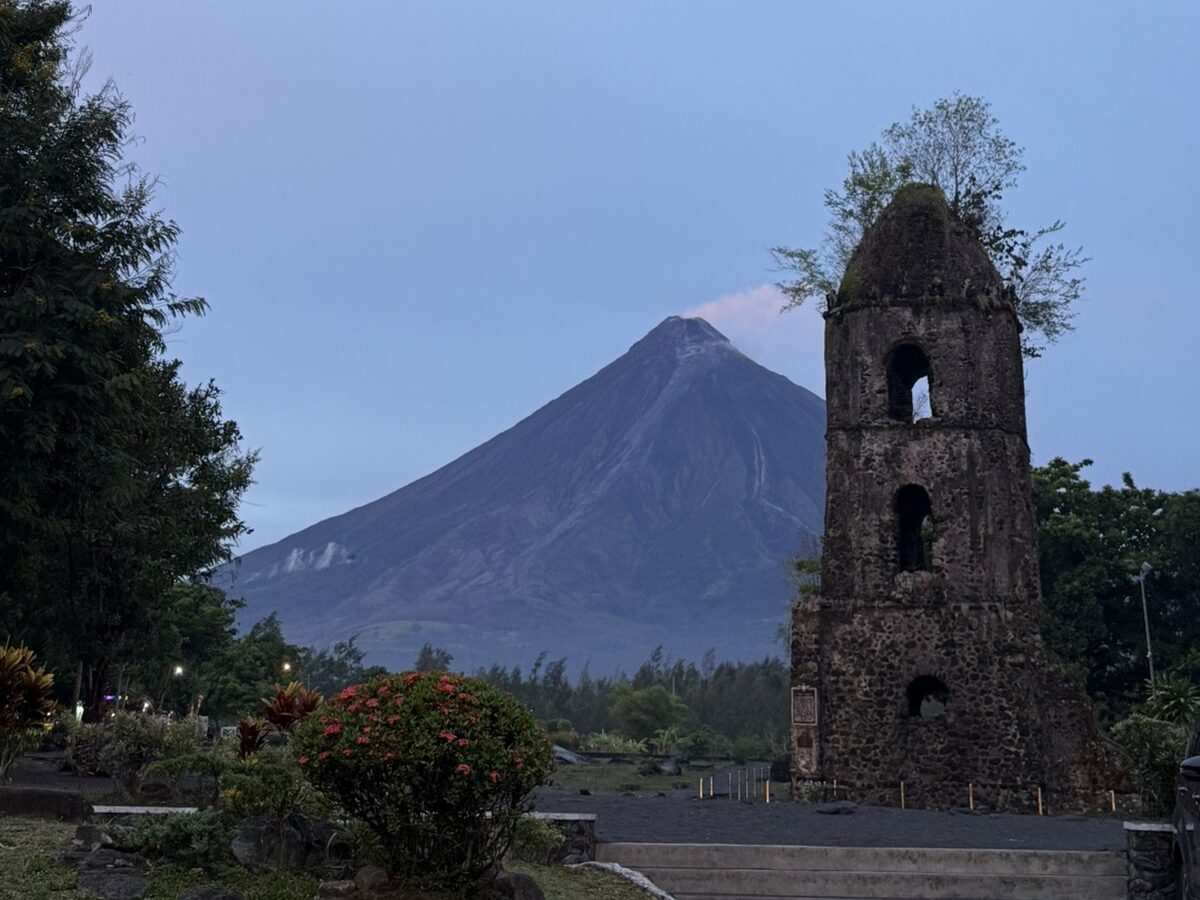
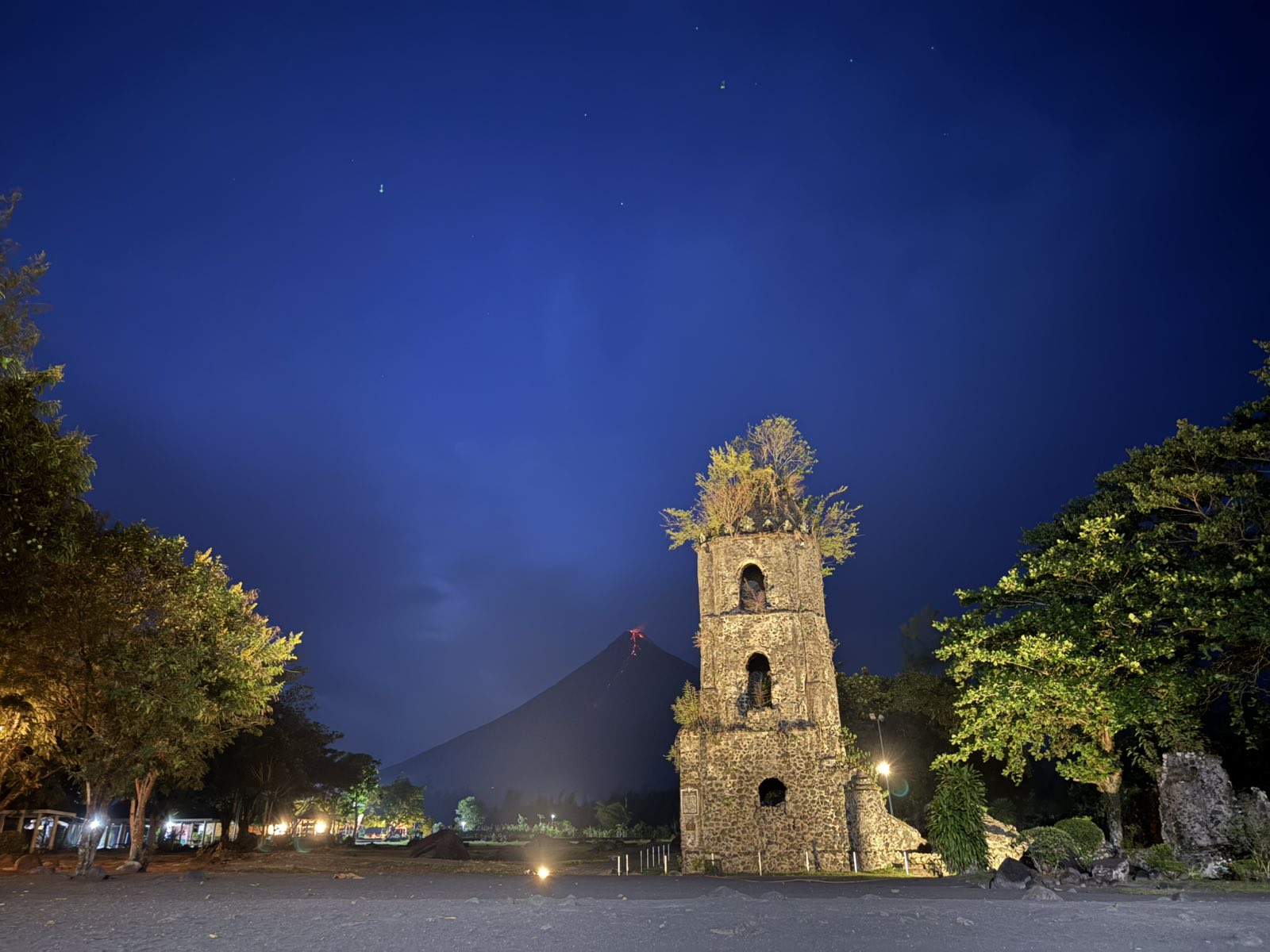
Standing beneath the shadow of Mayon Volcano, the Cagsawa Ruins remain one of the Philippines’ most enduring cultural landmarks. More than a picturesque backdrop for the iconic volcano, the ruins embody centuries of faith, community life, colonial history, and human resilience in the face of natural catastrophe. Today, the surviving bell tower serves as a powerful reminder of the relationship between the people of Albay and the dynamic landscape that has shaped their history.
The story of Cagsawa began during the early period of Spanish colonization in the Bicol Region. Franciscan missionaries established the settlement of Cagsawa in 1587 as part of their evangelization efforts among local communities. Historical accounts record that the mission grew steadily, becoming an important religious and administrative center in southeastern Luzon. The early church, initially constructed from lighter materials, reflected the modest beginnings of many mission settlements during the sixteenth century.
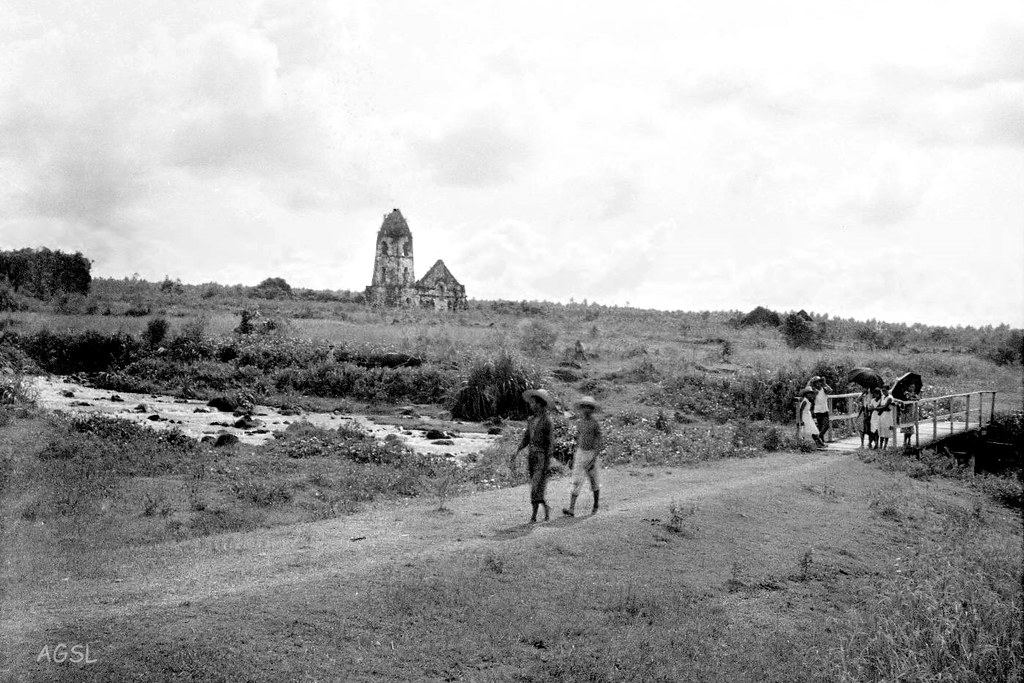
Archaeological research has revealed that Cagsawa was not simply a church but a substantial Franciscan missionary complex. Investigations identified the remains of the church, convent, bell tower, and associated structures that once formed the spiritual and civic heart of the community. The site illustrates how Spanish-era settlements integrated religious, educational, and governmental functions within a single complex, reflecting the social organization of colonial towns throughout the archipelago.
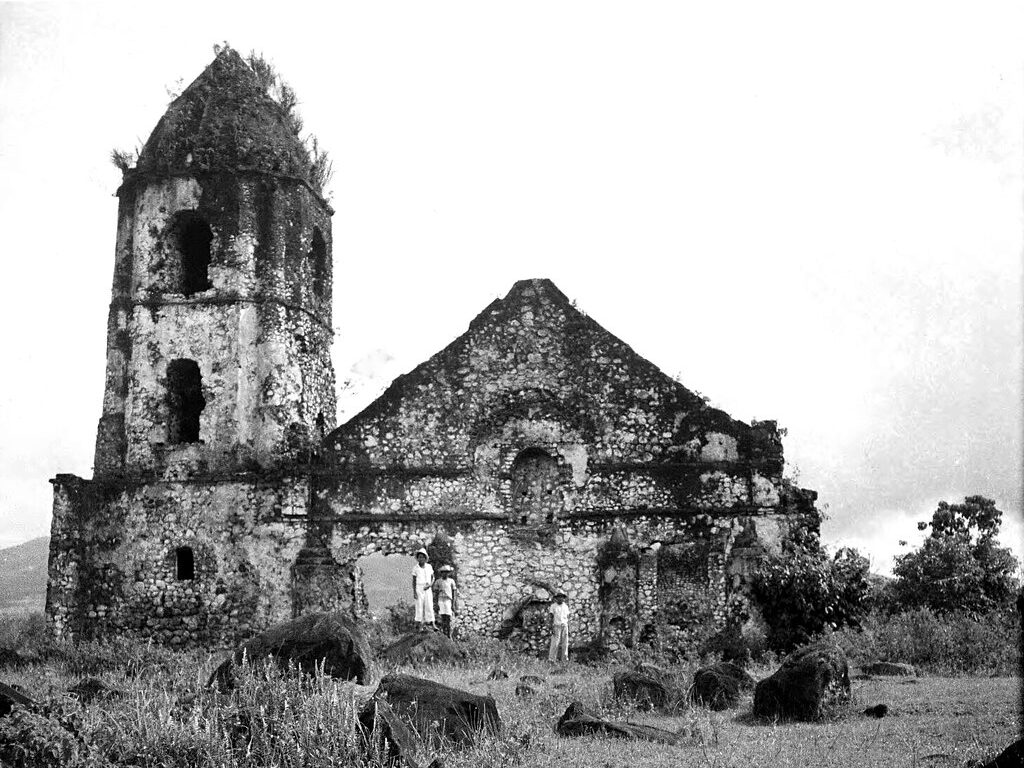
The defining event in the history of Cagsawa occurred on 1 February 1814. On the eve of the Feast of Nuestra Señora de la Candelaria, Mayon Volcano unleashed what is widely regarded as its most violent recorded eruption. Pyroclastic flows, volcanic ash, and lahar devastated surrounding communities, including Cagsawa, Budiao, Camalig, and Guinobatan. Thousands perished during the disaster. The once-thriving town was buried beneath volcanic deposits, leaving only fragments of the masonry complex visible above ground. The surviving bell tower, now the most recognizable feature of the site, became a silent witness to one of the most tragic events in Philippine history.
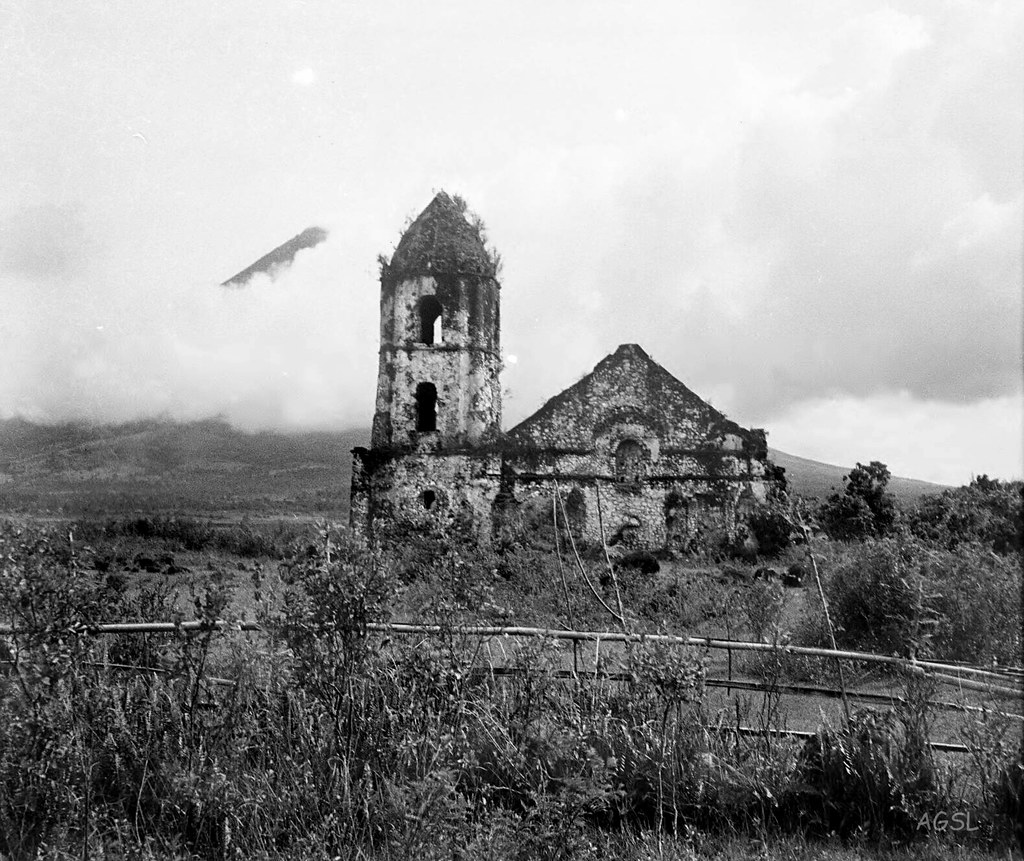
Popular tradition often recounts that residents sought refuge within the church during the eruption. While archaeological and historical investigations continue to refine our understanding of the event, there is no doubt that the disaster fundamentally altered the landscape and settlement patterns of Albay. Survivors relocated to safer areas, contributing to the growth of present-day Daraga. The ruins that remained gradually became a place of remembrance, preserving the memory of lives lost and communities transformed.
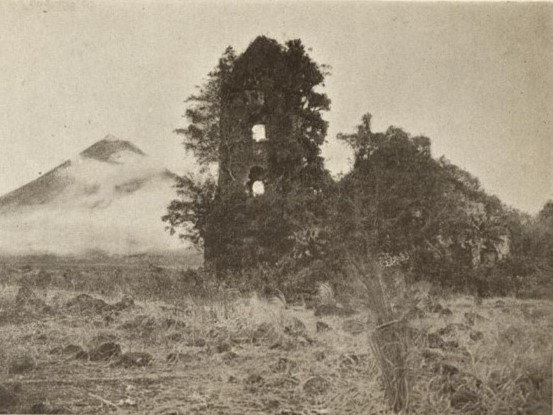
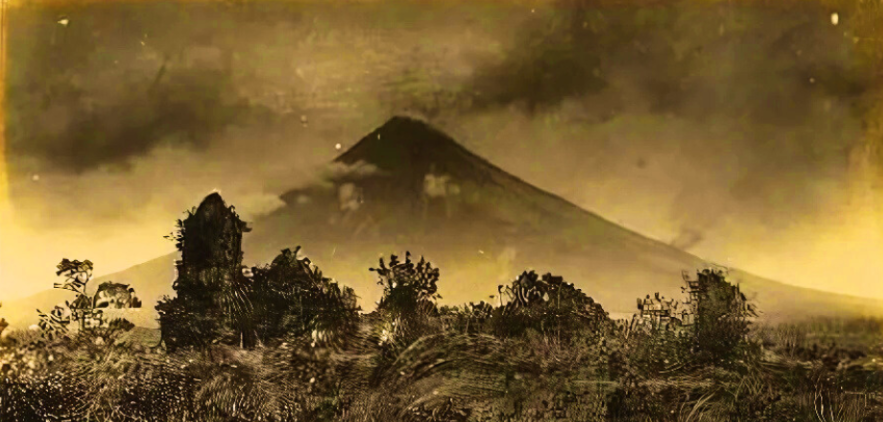
For more than two centuries, the site has endured earthquakes, typhoons, and the passage of time. Historical photographs from the early twentieth century show that larger portions of the church façade remained standing long after the eruption. These sections eventually collapsed, likely due to seismic activity and weathering. Despite these losses, the bell tower and surviving foundations continue to provide valuable evidence of Spanish colonial architecture and Franciscan construction practices in the Bicol Region.
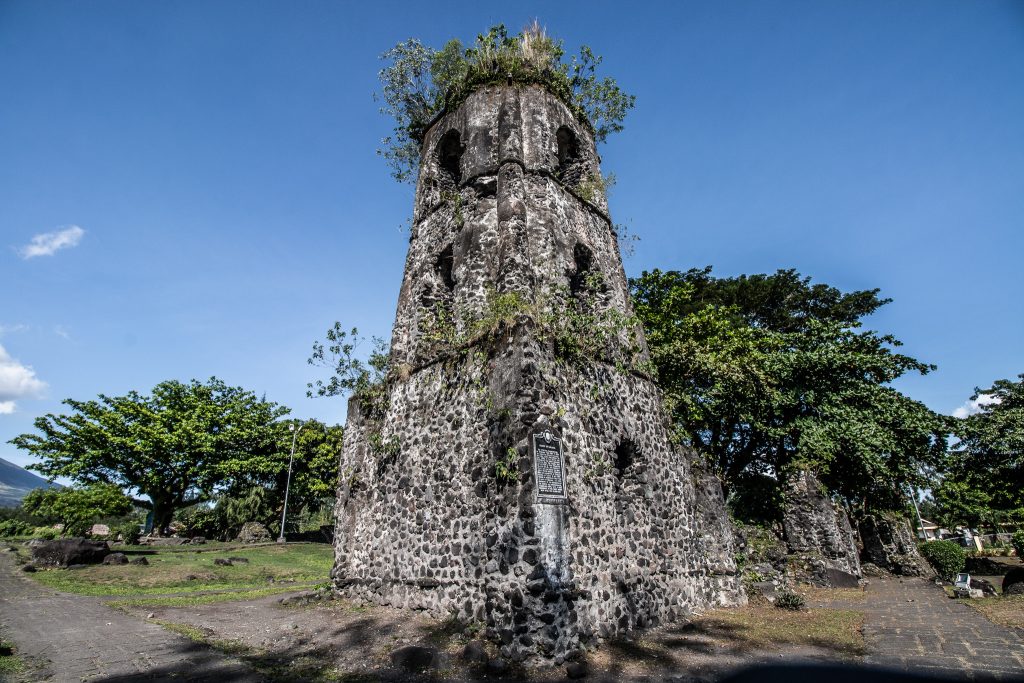
Structure A: Belfry
The famous Cagsawa Belfry is the surviving landmark of the historic church, with three visible tiers rising above the ruins. Its distinctive stone carvings and enduring presence make it one of Albay’s most iconic heritage structures.
Source: SPAFA Journal Vol 2 (2018), AS Recto
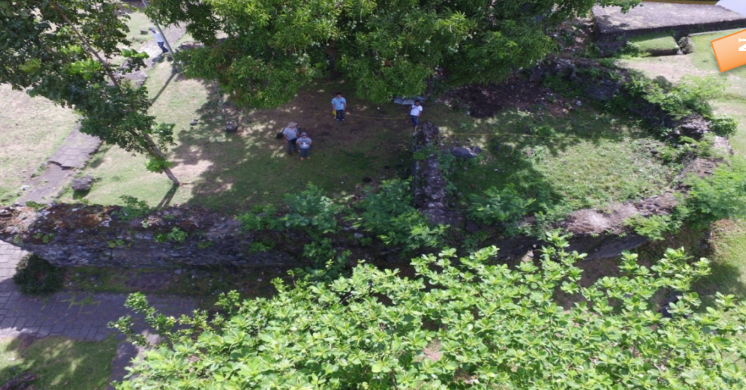
Structure B: Church
The remains of the old Cagsawa Church still stand today, with fragments of its walls, nave, and sacristy bearing witness to centuries of history and the power of Mayon Volcano.
Source: SPAFA Journal Vol 2 (2018), AS Recto
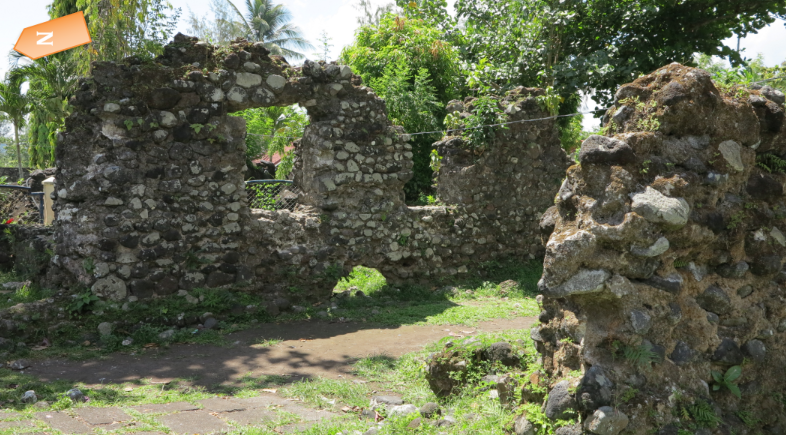
Structure C: Convent
Also known as the friary or casa parroquial, this was where Franciscan friars and clerics once lived. Today, only dilapidated posts and broken walls remain, making it difficult to pinpoint the original layout—the receiving area, refectory, kitchen, lavatories, oratory, dormitory, chapter hall, cells, and spaces for penitential discipline during Advent and Lent. The convent is believed to have been a fairly large two-story structure, possibly built to house transient missionaries or for spiritual retreats. Parts of the ruins to the southeast are now overgrown with thick vegetation, with tree roots slowly breaking down the stonework.
Source: SPAFA Journal Vol 2 (2018), AS Recto
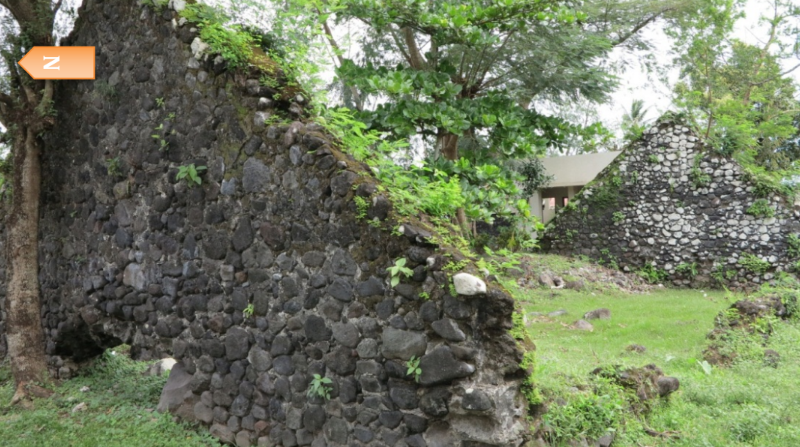
Structure D: Escuela
Originally considered an unidentified ruin, this structure was later identified as the Escuela, or school building, of the Franciscan mission complex. Located southeast of the church grounds, the remains consist of two opposing pyramidal stone walls that likely supported the structure’s roof. Though much of the building lies buried beneath volcanic debris, its surviving walls offer a glimpse into the educational and community life that once flourished in Cagsawa.
Source: SPAFA Journal Vol 2 (2018), AS Recto
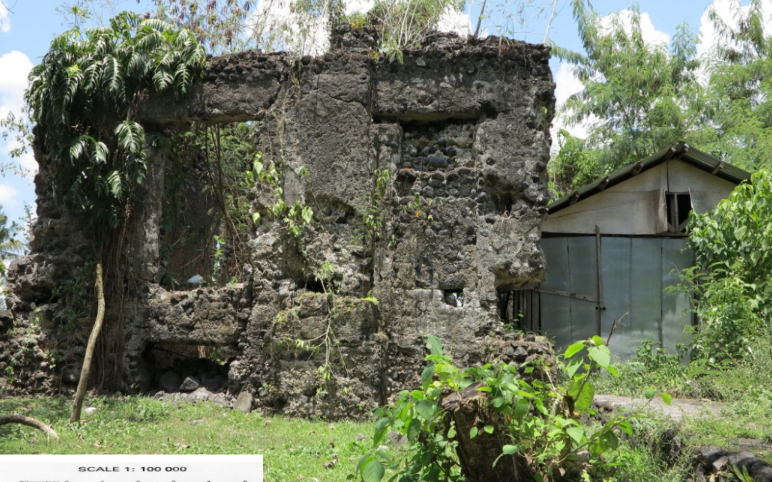
Structure E: Casa Tribunal
Originally recorded as an unidentified structure, this ruin was later identified as the Casa Tribunal, the town’s former municipal hall during the Spanish colonial period. Situated near the Busay River, the stone building once served as a center of local governance and administration. Today, only portions of its walls, rooms, and beam supports remain visible, with much of the structure still buried beneath volcanic deposits.
Source: SPAFA Journal Vol 2 (2018), AS Recto
Beyond its architectural significance, Cagsawa holds profound cultural and spiritual meaning. Archaeologists describe the site as a “sacred space,” a place where religious devotion, collective memory, and community identity intersect. Annual commemorations of the 1814 eruption continue to be held at the ruins, ensuring that the stories of those who lived, worshipped, and perished there remain part of Albay’s living heritage.
Recognizing its exceptional historical and cultural value, the National Museum of the Philippines declared the Cagsawa Ruins a National Cultural Treasure and an Important Cultural Property in 2015. The designation affirms the site’s importance not only to Albay but also to the nation as a whole. Today, the ruins stand as a testament to the enduring spirit of the Filipino people—a place where history, faith, and nature converge beneath the majestic silhouette of Mayon Volcano.